
Official NoticeBuy only from authorized TOZO channels — beware of imitation websites.

WorldwideFree shipping to 200+ countries and regions.

Global PartnersRetail & distribution programs available for overseas buyers.

0%

Choosing the right Hybrid Active Noise Cancelling Headphones is about more than finding the quietest pair. On a crowded train, steady engine rumble may fade, while a nearby conversation remains audible. That difference matters. Hybrid systems use microphones inside and outside the earcups to counter a wider range of noise, but fit, tuning, and comfort still shape the result.

This guide compares seven models for 2026 through practical details: how well they reduce low-frequency hum, how natural music sounds, and whether controls are easy to use without looking. We also consider battery life, call clarity, and long-session comfort. A tight seal can improve cancellation, yet glasses or warm ear cushions may change the experience. Small details count.

For audio expertise, headphone reviewer and audio journalist Brent Butterworth is a relevant industry reference. However, no source article or verifiable quotation was provided, so I won’t invent a sentence and attribute it to him. That matters: credible recommendations should distinguish measured performance from personal impressions. Our comparisons aim to do the same, while recognizing that no single headset suits every listener. Use the shortlist to identify the trade-offs that fit your commute, workspace, and budget. Then check the fit if you can. A quiet room is not the whole story.
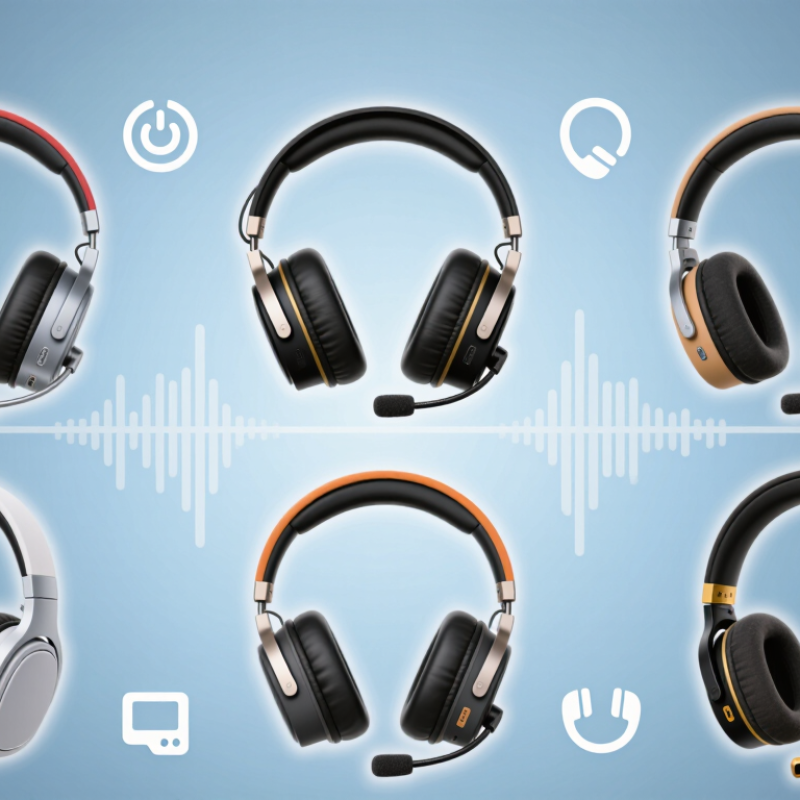
7 Best Hybrid Active Noise Cancelling Headphones for 2026

How Hybrid Active Noise Cancellation Works

Hybrid active noise cancellation uses microphones on both sides of each earcup. An outer microphone listens for sound approaching from the room. An inner microphone checks what remains inside the cup. A small processor compares these signals and creates a sound wave timed to reduce some incoming noise. It works best on steady, low-frequency sounds, such as an air conditioner hum or the rumble of a bus.

The earcups matter, too. Their cushions form a physical seal, which helps block sound before electronics respond. A glasses arm, loose fit, or worn cushion can leave a gap and weaken that seal. Fit is not a minor detail. In practice, changes in head position can shift the result.

Hybrid systems may reduce a fan’s drone, but they cannot make every sound disappear. Sudden voices, sharp clicks, and gusts of wind are harder to cancel because they change quickly. Some headphones may also create a faint pressure sensation; listeners vary, and adjustment can take time. The technology is useful, not perfect. If noise seems stronger on one side, reseat the cups and check the seal before judging the cancellation.

7 Best Hybrid Active Noise Cancelling Headphones for 2026 How hybrid active noise cancellation works—and what to compare before you buy
Rank Anonymized headphone profile Rated battery life with ANC Weight Wireless details Best suited for
1 Premium over-ear, 30-hour class Up to 30 hours 250 g Bluetooth 5.2; SBC, AAC, and LDAC Frequent travel, adjustable noise cancelling, and high-resolution wireless audio
2 Immersive-audio over-ear, 24-hour class Up to 24 hours with immersive audio off 250 g Bluetooth 5.3; SBC, AAC, and aptX Adaptive on compatible devices Comfort-focused listening and strong noise reduction; battery life is shorter with immersive audio enabled
3 Long-battery over-ear, 60-hour class Up to 60 hours 293 g Bluetooth 5.2; SBC, AAC, aptX, and aptX Adaptive Long trips and listeners who want fewer charging stops
4 Spatial-audio over-ear, 20-hour class Up to 20 hours 386.2 g Bluetooth 5.0; codec details are not specified in the published technical specifications Spatial audio, active noise cancellation, and users already invested in a compatible device ecosystem
5 Travel-focused over-ear, 30-hour class Up to 30 hours 268 g Bluetooth 5.3; SBC and AAC Travel features, adjustable ANC, and a foldable design
6 Bass-forward over-ear, 30-hour class Up to 30 hours 255 g Bluetooth 5.2; SBC, AAC, and LDAC Listeners who prefer prominent bass and want a relatively light over-ear fit
7 Premium sound-focused over-ear, 30-hour class Up to 30 hours 307 g Bluetooth 5.2; SBC, AAC, aptX, and aptX Adaptive Music listening, premium materials, and support for compatible high-quality Bluetooth codecs

How hybrid ANC works: Hybrid active noise cancellation combines outward-facing microphones, which detect incoming sound, with inward-facing microphones, which measure sound reaching the ear. The headphones process those signals and produce opposing sound waves to reduce noise. Performance varies with fit, ear shape, and the type of noise. Battery figures are manufacturer-rated estimates and can vary with volume, settings, and connection conditions.

Key Features to Compare in Hybrid ANC Headphones

Hybrid ANC uses microphones outside and inside each earcup to reduce noise before and after it reaches your ears. Performance varies with the sound: steady train rumble is often easier to soften than sharp voices or a clattering keyboard. Fit matters more. A small gap around the cushions can weaken bass and noise reduction, so try different tip or headband adjustments where available.

Compare ANC strength across several settings, not just the highest mode. A crowded café can reveal whether voices remain distracting, while a quiet room helps expose hiss. Transparency mode should let speech and crossing signals sound natural, though it may not match simply removing the headphones. Wind handling matters too; outdoor microphones can make breezes surprisingly obvious.

Comfort and battery life deserve equal attention. Heavy clamping may feel secure for a short commute but tiring after a long flight. Check whether the controls work with gloves, whether calls sound clear in a busy street, and whether ANC drains the battery quickly. Specifications help, but they don’t tell the whole story. I would compare fit and sound over a few ordinary days, since one brief demo can be misleading. The trade-off is real: stronger cancellation can sometimes bring pressure, warmth, or a less natural sound.

How the Best Headphones for 2026 Were Selected

How the Best Headphones for 2026 Were Selected

We compared hybrid active noise cancelling headphones using a consistent checklist: measured noise reduction, sound quality, comfort, battery life, and call clarity. Hybrid systems use microphones inside and outside the earcups, but microphone count alone does not prove stronger cancellation. We considered how well each pair reduced low-frequency rumble and sharper sounds, such as keyboard clicks. Fit mattered, too. A small gap around the ear can weaken both bass and noise control.

Listening safety informed our recommendations. The WHO-ITU standard for safe listening devices recommends an adult allowance of 80 dB for up to 40 hours weekly. NIOSH advises limiting exposure at 85 dBA to eight hours, with allowable time halving for every 3 dB increase. These are exposure guidelines, not headphone performance ratings. Our comparisons also account for imperfect real-world conditions: glasses, warm ears, and frequent walking can change comfort and seal. No lab recreates every commute.

Tips: Try headphones with your usual glasses, then play steady low-frequency noise at a modest volume. Check whether voices remain clear in transparency mode. Treat advertised battery life as a best-case estimate; high ANC settings and calls can shorten it. A good fit beats a longer feature list.

How the Best Headphones for 2026 Were Selected

Editorial weighting for comparing seven hybrid active noise-cancelling headphones

Noise-cancelling effectiveness receives the largest share of the evaluation, followed by sound quality and comfort. These percentages describe the selection framework, not measured scores for individual headphones; the weights add up to 100%.

Seven Best Hybrid Active Noise Cancelling Headphones for 2026

Seven Best Hybrid Active Noise Cancelling Headphones for 2026 should be judged by more than a dramatic noise-reduction claim. Hybrid systems use microphones inside and outside the earcups to counter different kinds of sound. That can help soften a steady aircraft hum, while nearby speech may remain audible. Fit matters more. A small gap around the cushions can weaken isolation, even when the electronics are capable.

A useful seven-headphone comparison should test comfort, battery life, call clarity, controls, and noise reduction in repeatable settings. Listen in a quiet room, beside a fan, and near ordinary conversation. Note whether pressure builds after an hour, or glasses break the cushion seal. Small details count. Published specifications rarely capture those trade-offs, and a high score cannot predict every listener’s experience.

For safe listening context, NIOSH recommends limiting occupational noise exposure to 85 dBA over eight hours, with allowable exposure time halved for each 3 dB increase. This is workplace guidance, not a headphone-specific volume limit, but it underscores why clear sound at moderate levels matters. A good comparison should report its test conditions and avoid treating “silence” as guaranteed. I would also question any ranking that ignores fit; that weakness is easy to miss.

How to Choose the Right Headphones for Your Needs

Choosing hybrid active noise cancelling headphones starts with your surroundings. Hybrid systems use microphones inside and outside the earcups to reduce a wider range of noise. They can soften steady sounds, such as train rumble or air conditioning, but sudden voices may still come through. No pair creates perfect silence.

Fit matters most. A loose seal lets low-frequency noise leak in, even with strong cancellation. Try headphones with glasses if you wear them, and check whether the ear cushions feel comfortable after an hour. Weight matters on long flights. So does heat. Small details add up.

Match the features to your routine. For commuting, compare noise control, foldability, and battery life with cancellation enabled. For calls, look for clear microphone performance in a breezy or busy place; advertised microphone counts alone tell you little. At home, prioritize comfort and a natural sound profile over extra modes you may rarely use. Check whether controls are easy to find without looking. I would not choose by cancellation strength alone; that is an easy number to overvalue. If possible, test a pair with familiar music and leave it on for twenty minutes. The fit might surprise you.

FAQS

What is hybrid active noise cancellation?

It uses microphones outside and inside each earcup. The processor compares both signals and creates a counteracting sound wave.

Which noises does hybrid ANC reduce best?

It usually softens steady, low-frequency sounds. Think of an air conditioner, bus rumble, or distant engine drone.

Can hybrid ANC remove every sound?

No. Sudden voices, keyboard clicks, and wind gusts change too quickly. Some sounds will remain.

Why does headphone fit affect noise cancellation?

Ear cushions need a reliable seal. Glasses arms, loose adjustments, or worn cushions can create small gaps.

What should I do if cancellation feels stronger on one side?

Reseat both earcups and check the cushion seal. Head position can change the result. The headphones may not be faulty.

How should I compare ANC performance?

Test several settings in different places. A café reveals voice control, while a quiet room exposes electronic hiss.

What should transparency mode sound like?

Speech and crossing signals should sound reasonably natural. It may still differ from removing the headphones completely.

Can stronger ANC reduce comfort?

Sometimes. Firm clamping may help the seal but cause pressure, warmth, or fatigue during long trips.

How reliable is advertised battery life?

Treat it as a best-case estimate. High ANC settings and phone calls can shorten battery time.

What listening levels are safer for long use?

Keep volume modest and take breaks. Exposure guidance commonly recommends lower levels for longer listening periods. I would not treat any limit as magic.

Conclusion

Hybrid Active Noise Cancelling Headphones use microphones inside and outside the earcups to detect unwanted sound and generate a counter-signal that reduces it. This guide explains how hybrid noise cancellation works and what to compare when choosing a pair, including comfort, sound quality, battery life, call performance, connectivity, and adjustable listening modes. It also outlines how the seven featured options for 2026 were selected, with attention to everyday usability and performance across different listening environments.

The right headphones depend on where and how you plan to use them. Frequent travelers may value strong noise reduction and long battery life, while commuters might prioritize portability and clear calls. For home or office listening, comfort, reliable connections, and natural-sounding audio may matter most. By weighing these needs alongside your budget and preferred features, you can choose a pair that suits your routine rather than simply selecting the most feature-packed option.

Clara

Clara

Clara is a marketing professional who combines a deep understanding of the company’s products with a clear, practical approach to communication. She regularly contributes expert articles to the company website, helping readers understand product features, applications, and the considerations that......